Everloop (Card Game)
Concept
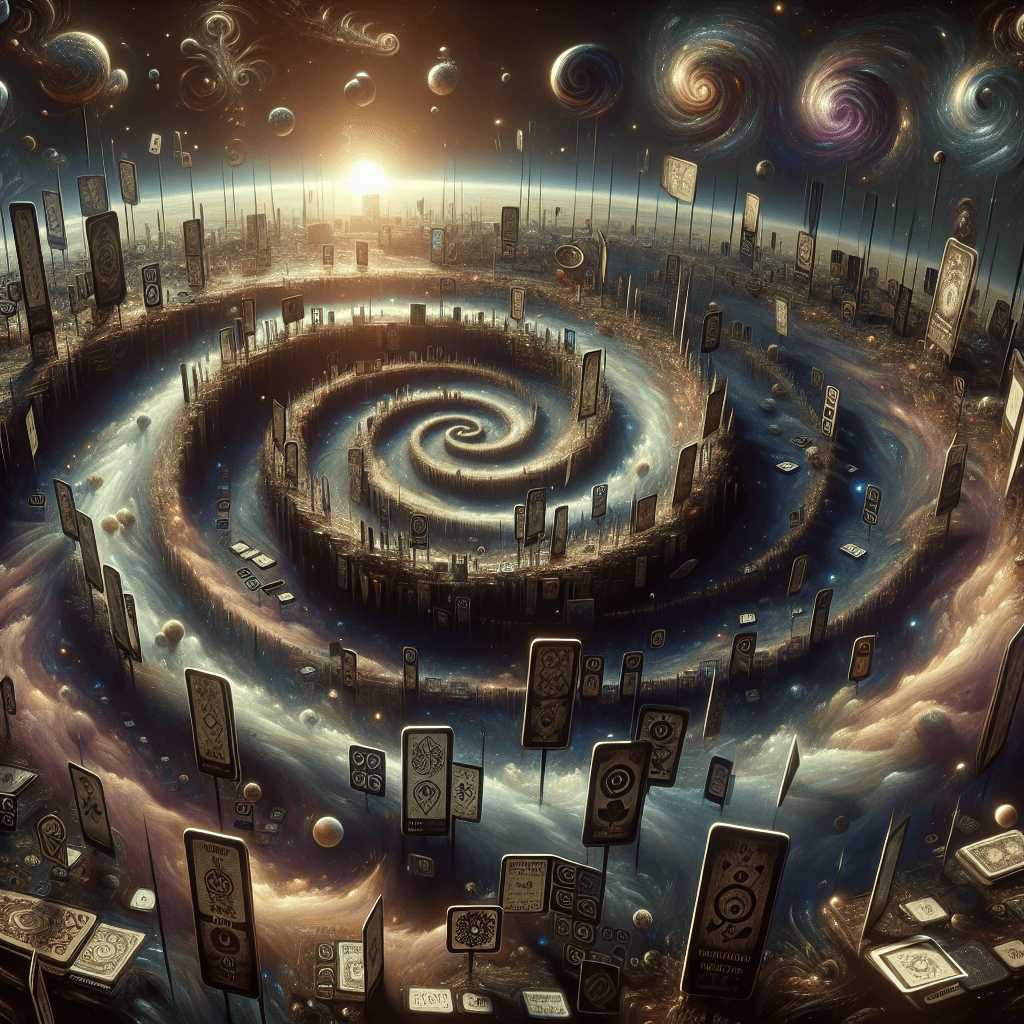
A popular Everloop card game played on a spiral board with ninety cards — Score cards, Modifiers, and FRAY setups. The goal is to hold the highest Personal Score when the Table Score lands exactly on 100. Players form loops, use Modifiers to reverse, double, or share scores, and can spring FRAY traps that void entire rounds and erase opponents' gains. Rook is a master of the game; his use of FRAY traps to empty other players' totals is part of how he keeps himself fed in Sera's settlement and along the Varnhalt Frontier. The card game is also a deliberate in-world miniature of the larger Pattern/Fray dynamic — order accumulated, then upended by an unstable structure that was always part of the deck.
Canon StabilityAbsolute
story-3gameculture
The Attunement System
Concept
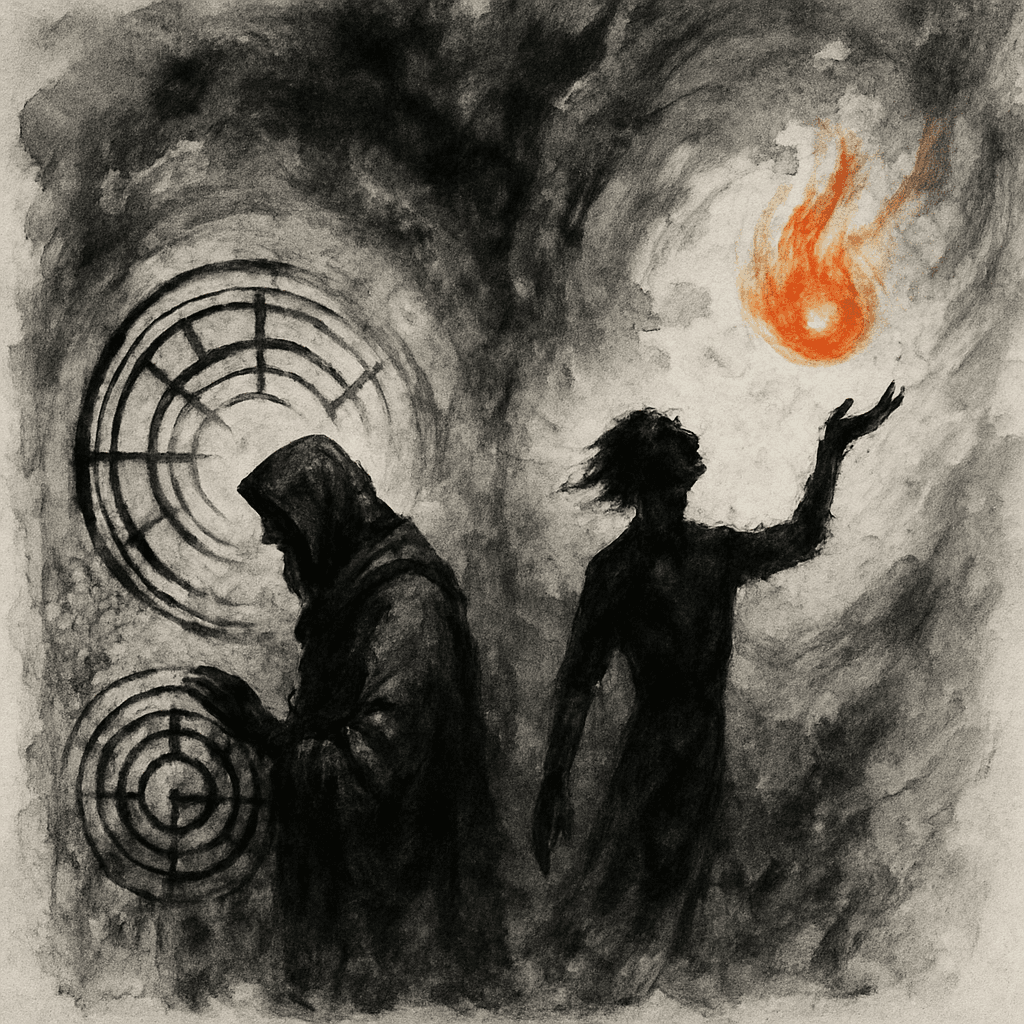
The shared structure beneath every region of the Everloop: two fundamental human attunements that recur regardless of culture or geography. Vaultkeepers perceive, preserve, and interpret the Pattern. Dreamers influence, alter, and persuade outcomes within it. Every region names them differently — Archivists and Iterants in the Luminous Fold (Civilisation), Pathkeepers and Windshapers in the Deyune Steps, Tidewatchers and Current-Speakers along the Virelay coast, Rootwardens and Weave-Tenders in the Bellroot Vale, Ember Scribes and Flamecallers on the Ashen Spine, Ledger-Seers and Chancebinders in the Varnhalt Frontier, Depthwardens and Undertides in the Drowned Reach, Refractionists and Lightbreakers across the Glass Expanse. The function is identical; only the names change. Archael Viremont's field journals are the canonical source for the recurrence, and the Knowledge Fragmentation Principle is the philosophical companion that prevents any one region from claiming sole ownership of the truth.
Canon StabilityAbsolute
attunementvaultkeeperdreamer+2
The Dawn
Concept
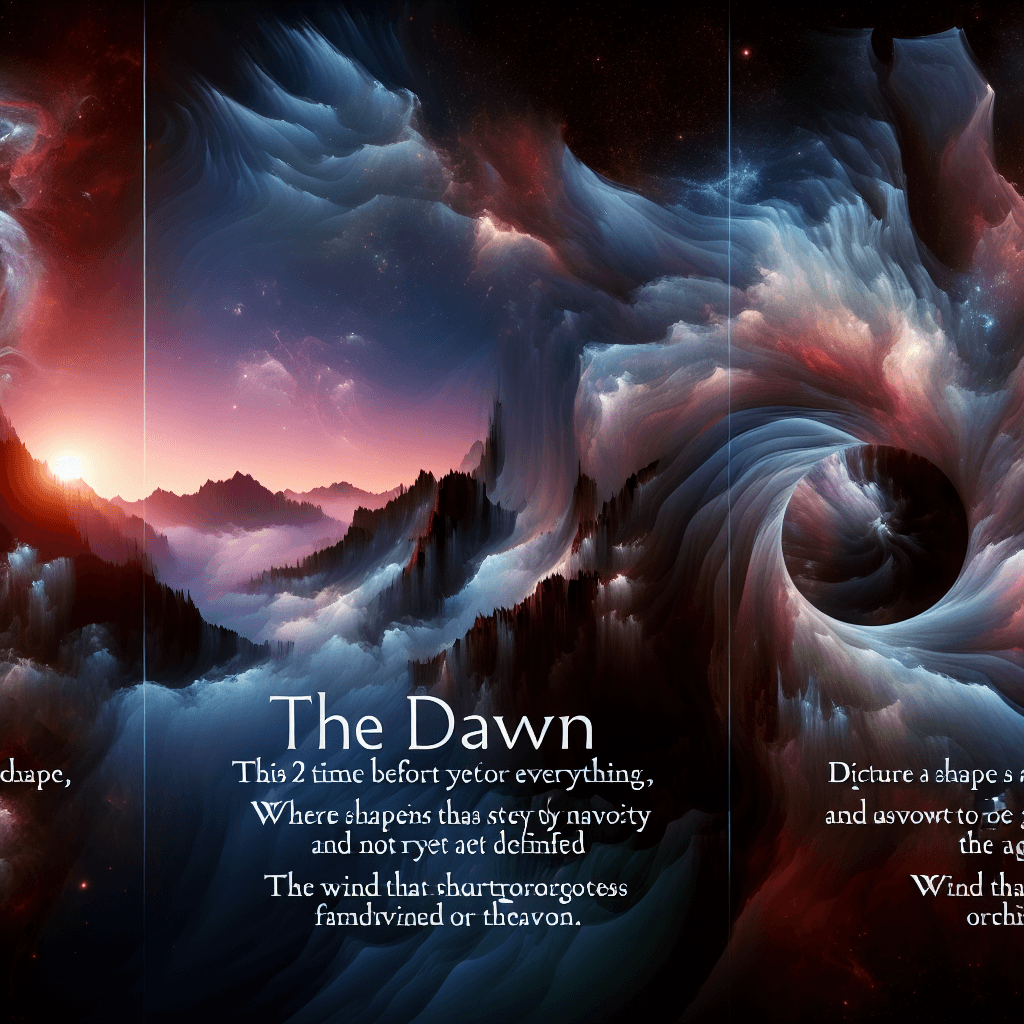
The age before shape — before names, maps, or time dared call itself time. There was only drift. Mountains walked like beasts, rivers unspooled into the sky, the wind forgot where it came from. The Prime Beings roamed this primal dream: hunger, storm, ash, birth — forces, not gods. Out of the Dawn came the First Architects, who pinned the world down through the Weaving and produced the First Map, the Pattern, and ultimately the Everloop. The Dawn is the world before the Pattern began telling it what to be. Vaultkeepers say the Fray is the Dawn returning through the cracks in the Weaving; the Luminous Fold prefers a more orderly account. Both are partly right, which is the Knowledge Fragmentation Principle in action.
Canon StabilityAbsolute
core-loreprimordialcreation
The Everloop
Concept
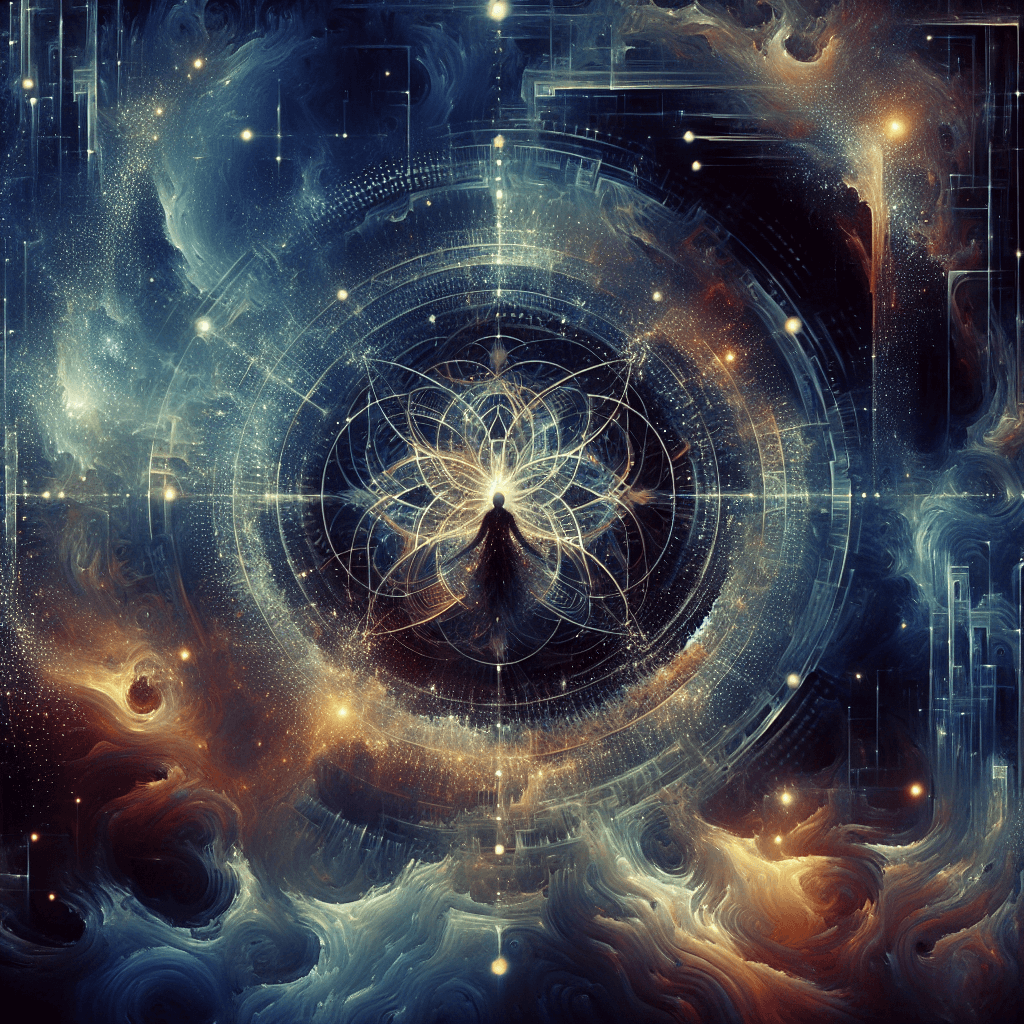
The perfect lattice of time and space made by the First Architects through the Weaving — a symmetry so absolute that even memory could rest within its folds. A song sung forever. A world without an ending, because ending itself had been woven out. Inside the Everloop, seasons returned when they should, the sun rose at the agreed hour, and decay and renewal became clockwork. The Luminous Fold treats the Everloop as the descriptive truth of reality; the Vaultkeepers know it is also a cage. The Prime Beings of the Dawn are trapped beneath it, the Dreamers can feel its threads, and the Fray is what happens when the song begins to forget itself. The Everloop is the name of both the world and the system the world is hung on — which is exactly the ambiguity the storytelling platform is built around.
Canon StabilityAbsolute
core-loretimethe-pattern+1
The Fold
Concept
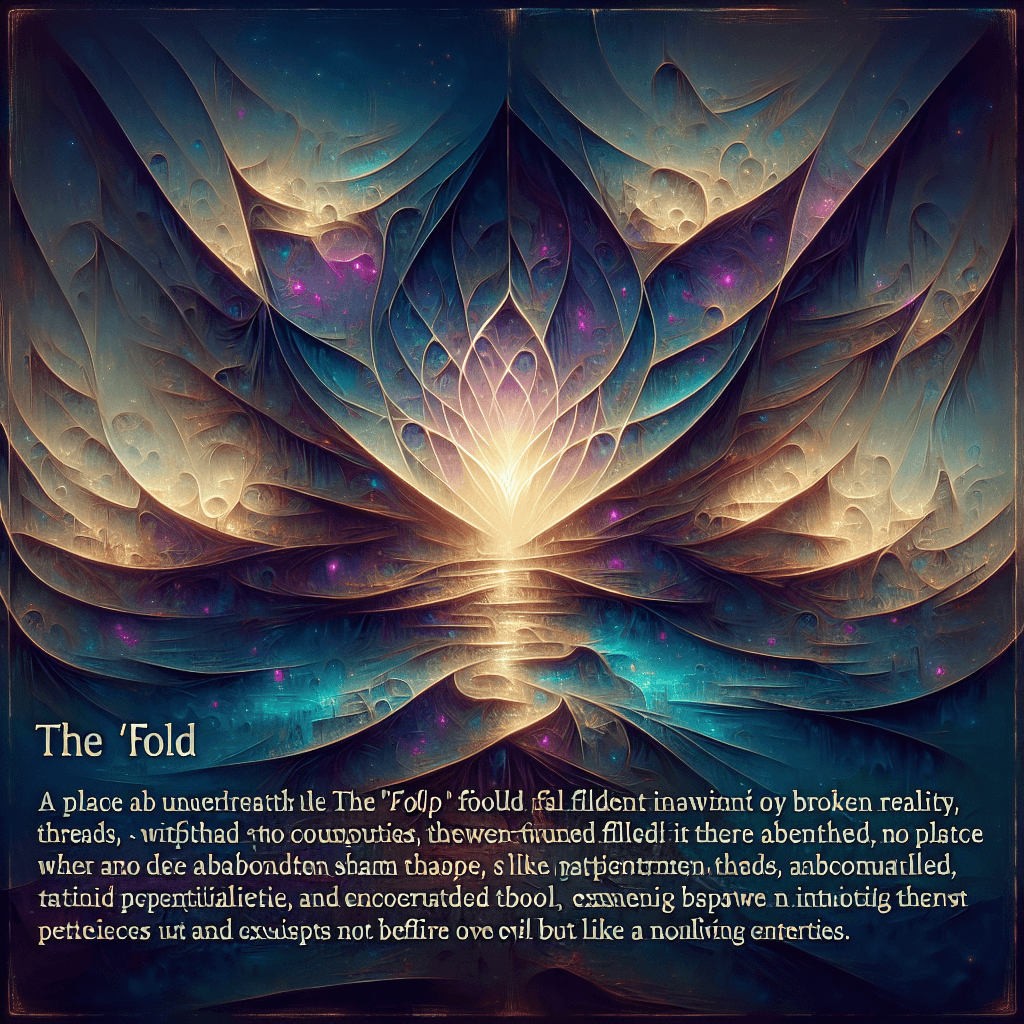
What exists beneath the Everloop — a place without shape or sequence, where discarded possibilities gather like dust in a closed book. Not before, not after, only between. The Fold is not evil and may not be alive in any sense the Luminous Fold's Archivists would accept, but it listens, and it sometimes answers. Each time a Shard of the Pattern is unearthed, the Fold stirs. Each time the Fray widens, the Fold leaks. Some Vaultkeepers and most Dreamers believe the Fray is not the failure of the weave but its awakening — and that the Fold is waiting, patient as forgetting, to set the Everloop free of itself. Whether that freedom is mercy or annihilation is the question every Shard-bearer eventually has to answer for themselves.
Canon StabilityAbsolute
core-loredeep-lorebeneath-the-pattern
The Fray
Concept
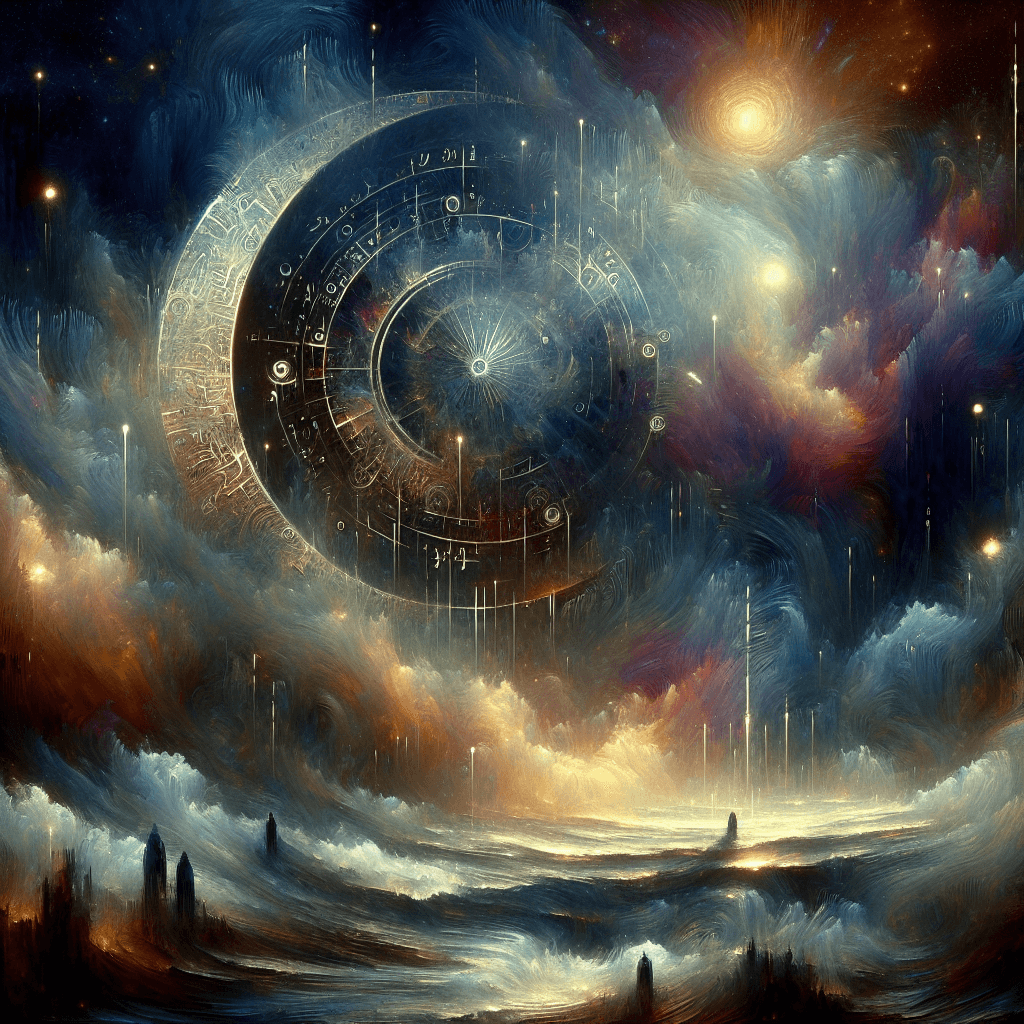
The unraveling of the Pattern — where the world grows weak and forgets. The Fray does not tear like cloth; it forgets. You breathe the air of a Fray-touched place and begin to lose your name, memories, reasons. Days repeat, years vanish, cities blink out of sequence. It is not a destroyer but a symptom — of time's refusal to stay fixed, of the lie whispered into the world's bones when the First Architects bound the Prime Beings beneath the Everloop. Where the Fray is active, the Loosening follows, Time Instability worsens, and — increasingly often — Monsters arrive. Every Monster in the Archive is, by canon, evidence that the Fray has broken reality at that place for a reason. That reason is almost always a Shard.
Canon StabilityAbsolute
core-lorefundamentalantagonist+1
The Knowledge Fragmentation Principle
Concept
No region of the Everloop — not even the Luminous Fold (Civilisation) — holds total truth. Each region preserves an understanding that is valid but incomplete, shaped by the climate, instabilities, and rhythms it lives within. The principle, slowly accepted by the Fold's more honest Archivists, is that reality is distributed rather than centralised: any account of the world that erases the others is, by definition, a forgery. It is the philosophical companion to the Attunement System and the antidote to the Fold's structural certainty; Archael Viremont's late journals treat it as the lesson the Vaultkeeper tradition was always meant to arrive at. The Loosening and Time Instability are the two phenomena that demonstrate the principle most plainly: every region is right about itself and wrong about the rest.
Canon StabilityAbsolute
knowledgetruthdistributed+2
The Loosening
Concept
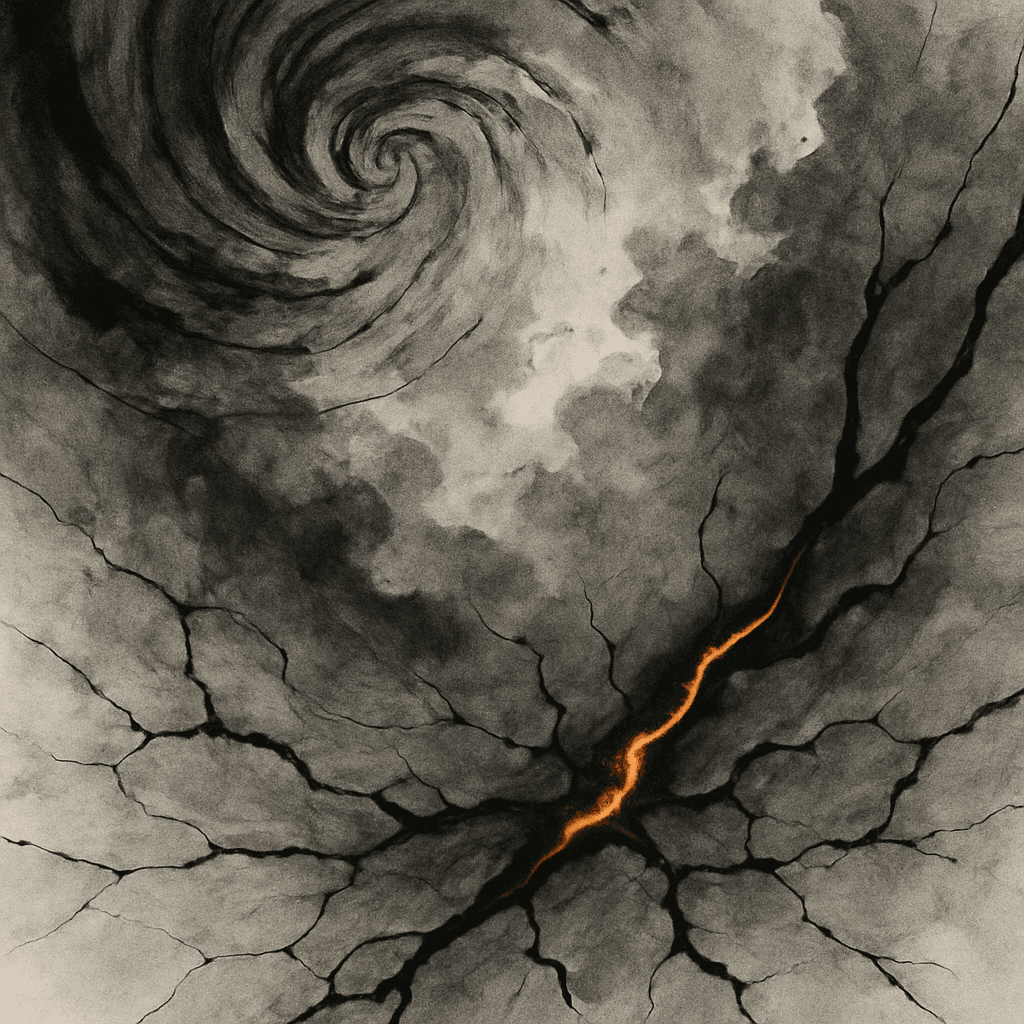
A spatial instability felt most strongly between regions, where direction stops behaving like direction. Travelers report paths that do not retrace, distances that contradict themselves, and compasses that drift even when the sky is clear. The Luminous Fold (Civilization)'s surveyors first catalogued the effect as measurement error; later journals — notably Archael Viremont's — treat it as an early manifestation of the same weakening that produces Hollows and the Fray. The Cartographic Society of Iterants holds that the Loosening is not a flaw but a feature of a world whose Pattern has begun to disagree with itself. Where the Loosening is active, Time Instability is rarely far behind.
Canon StabilityAbsolute
spaceinstabilityfray+2
The Pattern
Concept
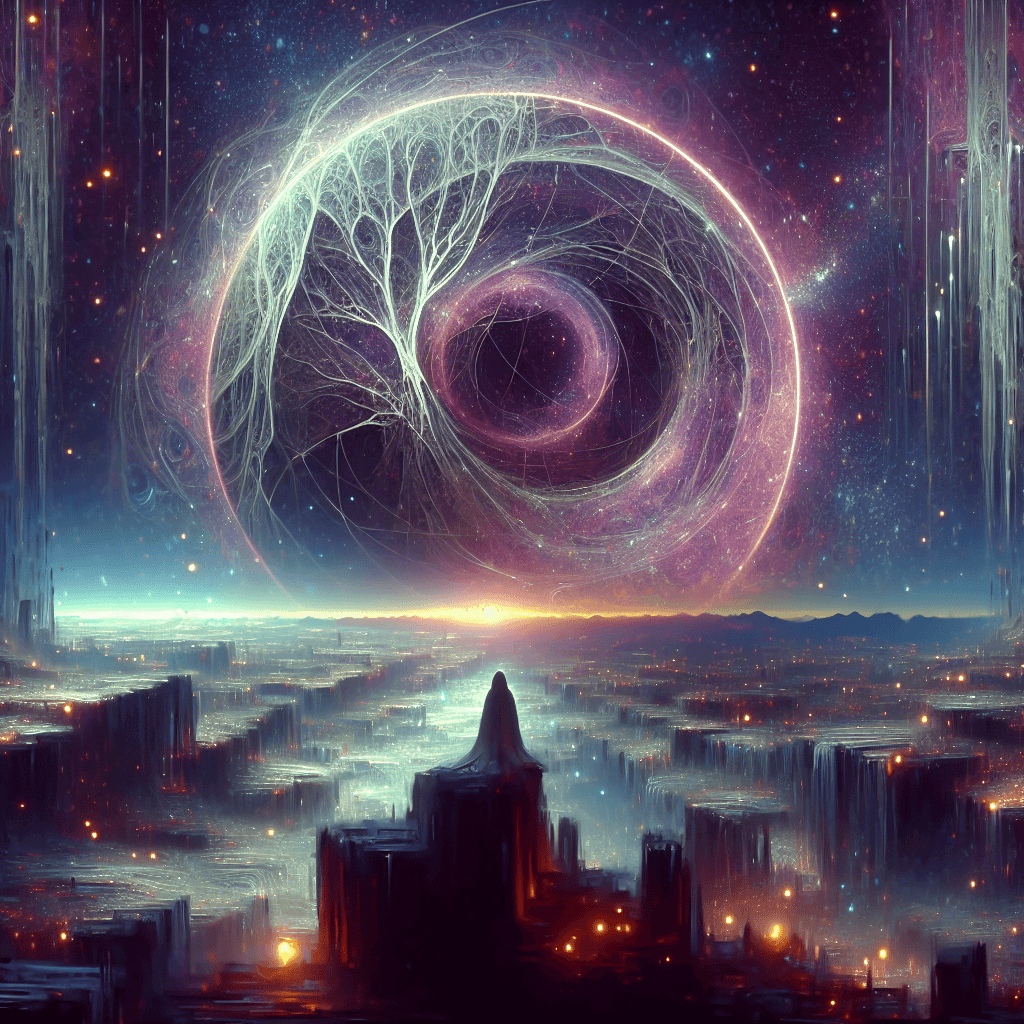
The fundamental weave of reality that holds the world together, born from the First Map and the work of the First Architects. The Pattern is not merely the structure of reality — it is reality. Where the Pattern is strong, time runs forward, memory holds, and a place stays where it was left. When threads of the Pattern snap, the Fray spreads: time loops, memory loss, the dissolution of places and people. The Pattern can be felt by the Dreamers, seen as light inside the Shards of the Pattern, and catalogued — partially, imperfectly — by the Vaultkeepers and the scholars of the Luminous Fold (Civilisation). It is the central concept that every other entry in the Archive ultimately answers to.
Canon StabilityAbsolute
core-lorefundamentalreality
The Weaving
Concept
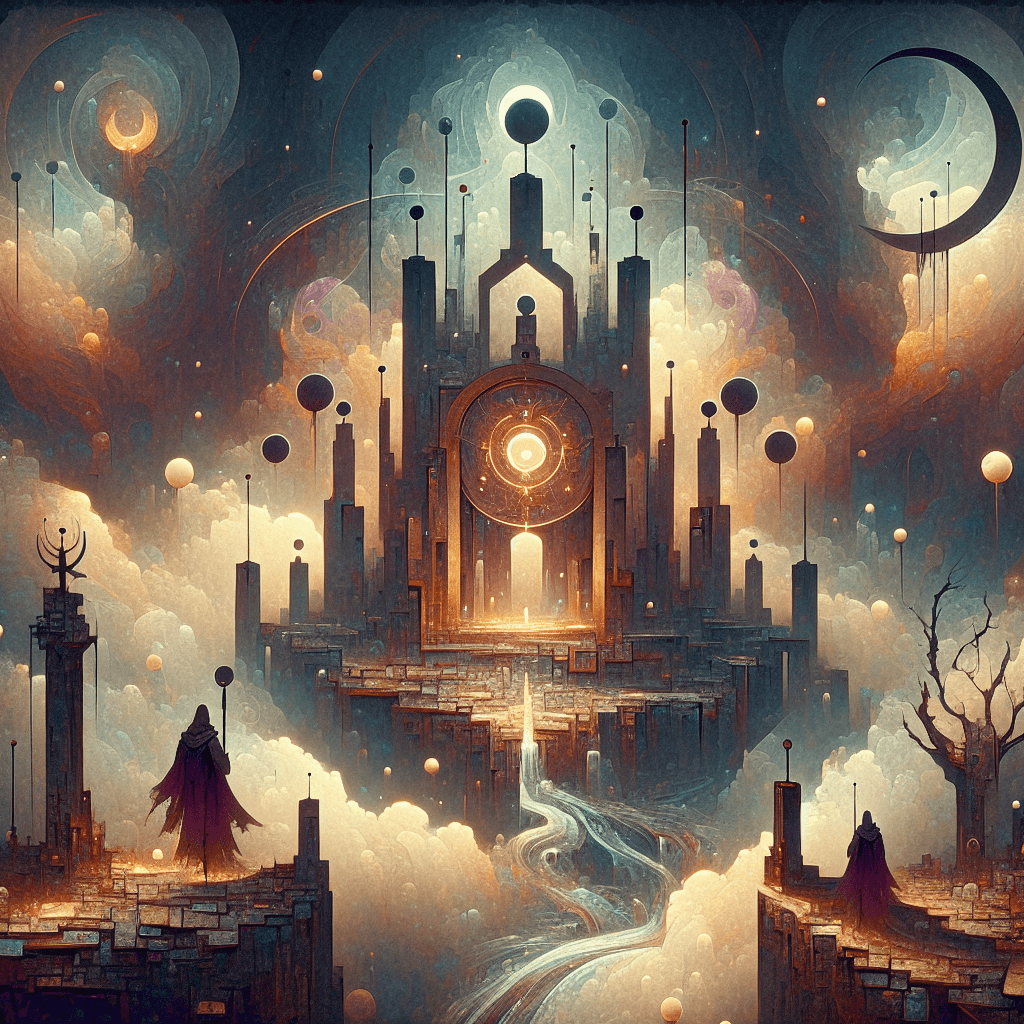
The act of the First Architects making order from the primal drift of the Dawn. They built anchors — towers that hummed, stones that pulsed, maps that bled when torn — and from those anchors the Pattern emerged, and from the Pattern the Everloop. The Weaving was not creation so much as restraint: it told the world what shape to keep, and the world, mostly, kept it. The Vaultkeepers were the first scholars of the Weaving; the Luminous Fold institutionalised that scholarship. Every Anchor still standing — the First Root Chamber under the Old Bellroot Site, the Karak stones on the Deyune Steppe, the Black Stone Tower on the Varnhalt Frontier, the Underwater Well off Virelay — is a working remnant of the Weaving, and every Anchor is one of the points where the Fray now leaks through.
Canon StabilityAbsolute
core-lorecreationthe-architects
Time Instability
Concept
Outside the Luminous Fold (Civilisation), time is not a shared standard. Some regions disagree on the length of a Cycle. Some ignore the unit altogether. Others measure duration through environment or movement — a tide's return, a herd's arrival, the cooling of a vent. The Fold's clocks describe the Fold and only the Fold. As Archael Viremont eventually concluded, "We do not all inhabit the same Loop, even when we share the same hour." Time Instability is the temporal twin of the Loosening, and both are downstream symptoms of the Fray.
Canon StabilityAbsolute
timeinstabilitypattern+2